
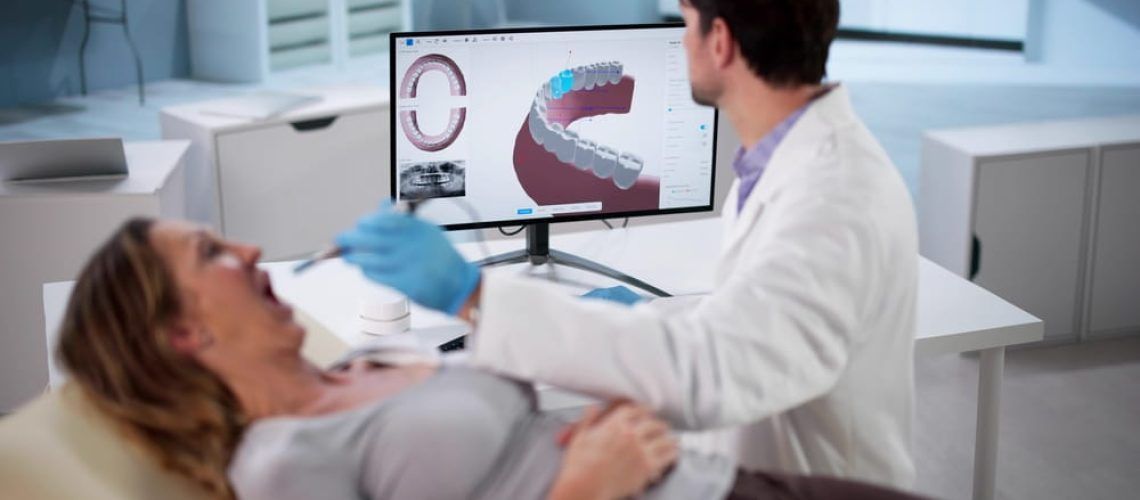
How Technology Is Changing the Dental Experience
Dentistry continues to evolve as digital tools, advanced materials, and innovative treatment technologies become integrated into modern dental care. For patients in Palm City, FL, understanding these developments can make it easier to have informed conversations about diagnosis and treatment. Aesthetic Dentistry of Palm City recognizes the value of patient education as products and technologies continue to influence how dental professionals evaluate oral health, plan procedures, and create personalized restorations.
Many innovations are designed to improve precision, efficiency, comfort, or communication between patients and dental professionals. Digital imaging, intraoral scanners, computer-aided design and manufacturing (CAD/CAM), artificial intelligence, and 3D printing are among the technologies influencing today’s dental workflows. The National Institute of Dental and Craniofacial Research notes that digital technologies can support diagnosis, treatment planning, and the creation of individualized dental restorations.
Digital Scanning and Advanced Dental Imaging
Traditional impressions have historically required patients to bite into impression material so a physical model of their teeth could be created. Intraoral scanners provide another approach by capturing detailed digital information about the teeth and surrounding oral structures. The resulting digital models may be used for treatment planning and the fabrication of restorations or orthodontic appliances. Digital files can also help dental professionals visually explain oral health findings and proposed treatments to patients.
Advanced imaging technologies can provide additional information when evaluating certain dental conditions. Depending on the patient’s needs, digital imaging may assist with assessing tooth decay, oral pathology, orthodontic concerns, or anatomy before certain procedures. These capabilities may be particularly useful when planning complex care such as dental implants or full mouth reconstruction.
CAD/CAM and 3D Printing in Restorative Dentistry
CAD/CAM technology allows digital information to be used when designing dental restorations. Instead of relying exclusively on conventional impressions and laboratory processes, digital workflows can help create customized restorations that reflect the shape and dimensions of an individual’s teeth. These technologies can be applied to restorative treatments such as crowns and bridges and inlays and onlays.
Three-dimensional printing is also expanding within dentistry. The American Dental Association identifies applications that include diagnostic models, occlusal guards, and surgical guides. Depending on the technology and clinical application, digital manufacturing can help create patient-specific dental products using information captured through digital scans. These workflows demonstrate how dentistry is becoming increasingly personalized rather than relying entirely on standardized manufacturing methods.
Artificial Intelligence and New Dental Materials
Artificial intelligence is another developing area in dentistry. AI-based systems may assist with tasks such as analyzing dental images, identifying patterns, organizing clinical information, and supporting patient communication. The ADA reports that AI adoption is increasing within dental practices, although these technologies are intended to support rather than replace professional clinical judgment.
Dental materials are evolving alongside digital technology. Researchers are studying stronger composites, improved bonding systems, antimicrobial materials, and “smart” materials that may eventually respond to changes such as stress or cracks within restorations. Advances in ceramic materials also continue to support treatments where both strength and appearance are important, including porcelain veneers and other restorative procedures.
What Dental Innovation Means for Patients
New technology does not automatically make one treatment better than another. Every patient’s oral health, anatomy, treatment goals, medical history, and budget are different. Dental professionals must determine when a particular technology or material provides meaningful clinical value and explain the potential benefits, limitations, and alternatives before treatment begins.
For patients in Palm City, FL, staying informed about developments in dentistry can make dental decisions feel less overwhelming. Shannon Galinis, Tom Galinis, and T.L. Plymale of Aesthetic Dentistry of Palm City can be part of the broader conversation about how modern dentistry continues to change. As new products, materials, and digital tools emerge, patient education remains an important part of understanding which options may be appropriate for individual oral health needs.
Resources
American Dental Association. (2026). Digital Dentistry and Technology. American Dental Association.
National Institute of Dental and Craniofacial Research. (2023). How Data Science and Digital Dentistry Can Improve Dental Care. National Institutes of Health.
National Institute of Dental and Craniofacial Research. (2026). Dental Materials: Research Investments and Advances. National Institutes of Health.