
A brighter smile is one of the most requested cosmetic dental improvements, and patients often find themselves deciding between professional treatments and at-home options. At Aesthetic Dentistry of Palm City in Palm City, FL, patients frequently ask how these two approaches compare in terms of effectiveness, safety, and convenience. While both methods aim to remove stains and discoloration, the way they achieve results differs significantly.
Teeth whitening works by using peroxide-based agents to break down stains on the enamel. These stains may come from coffee, wine, tobacco, or simply aging. The concentration of whitening agents and the method of application play a major role in how quickly and effectively results appear. Understanding these differences can help you make an informed choice that aligns with your goals and lifestyle.
What Happens During In-Office Whitening
In-office whitening treatments are performed under the supervision of dental professionals and typically deliver the fastest and most dramatic results. These procedures use highly concentrated whitening agents that are carefully applied to the teeth. Special lights or lasers may be used to accelerate the process, helping the whitening solution penetrate deeper stains more efficiently.
Because the treatment is closely monitored, protective measures are taken to shield the gums and soft tissues from irritation. This controlled environment allows for stronger whitening solutions than what is available over the counter. Many patients notice a visibly brighter smile after just one session, making this option ideal for those preparing for special events or seeking immediate results.
Another advantage of professional whitening is customization. The treatment can be adjusted based on tooth sensitivity, the level of discoloration, and desired shade. For individuals considering long-term smile enhancements, procedures like Teeth Whitening may also be part of a broader cosmetic plan.
How At-Home Whitening Works
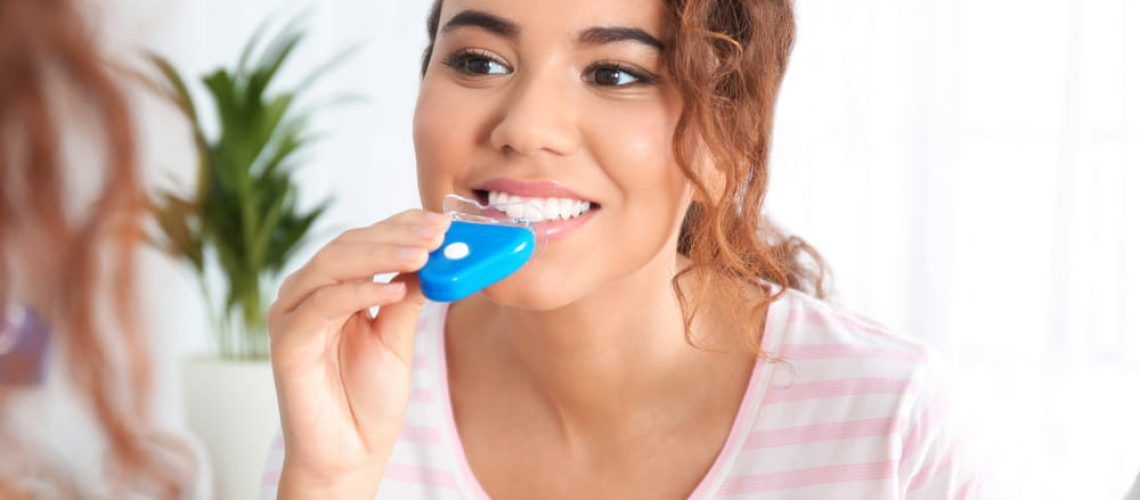
At-home whitening options include over-the-counter products such as strips, gels, and trays, as well as custom kits provided by dental professionals. These methods use lower concentrations of whitening agents, which makes them safer for unsupervised use but also means results take longer to achieve.
Consistency is key with at-home whitening. Most products require daily use over several days or weeks to produce noticeable changes. While this gradual process may appeal to those who prefer a more subtle transformation, it can also lead to uneven results if instructions are not followed carefully.
Custom take-home kits provided by dental offices offer a middle ground. These kits include trays molded to fit your teeth and professional-grade whitening gel, allowing for more even application and improved results compared to store-bought options. However, even these require patience and commitment to achieve optimal outcomes.
Comparing Effectiveness and Results
When it comes to effectiveness, in-office whitening generally outperforms at-home methods in both speed and intensity. The higher concentration of whitening agents allows for deeper stain removal, making it especially beneficial for individuals with significant discoloration. At-home treatments, while effective for mild to moderate stains, may struggle to achieve the same level of brightness.
Another important consideration is longevity. Professional whitening results often last longer, particularly when combined with good oral hygiene and lifestyle habits. At-home treatments may require more frequent touch-ups to maintain the same level of brightness.
Here are a few key differences to keep in mind:
- In-office whitening provides faster, more dramatic results
- At-home options are more gradual and require consistent use
- Professional treatments offer greater customization
- Store-bought products are more accessible but less potent
For individuals exploring additional cosmetic options, treatments like Porcelein Veneers can address deeper discoloration that whitening alone may not resolve.
Safety and Sensitivity Considerations
Safety is a major factor when choosing between whitening methods. In-office treatments are performed under controlled conditions, minimizing the risk of gum irritation or enamel damage. Dental professionals can also adjust the treatment to reduce sensitivity, which is a common concern with whitening procedures.
At-home products, while generally safe when used as directed, can sometimes lead to uneven whitening or increased sensitivity if overused. Ill-fitting trays or excessive application of whitening gel may cause irritation to the gums and surrounding tissues. This is why following instructions carefully is essential for achieving safe and effective results.
It’s also worth noting that not all discoloration responds equally to whitening. Intrinsic stains, which originate within the tooth, may require alternative cosmetic solutions. In such cases, treatments like Crowns and Bridges may be considered as part of a comprehensive approach to improving smile aesthetics.
Choosing the Right Option for Your Smile
Selecting between in-office and at-home whitening ultimately depends on your priorities. If you’re looking for immediate, noticeable results with minimal effort, professional whitening may be the better choice. On the other hand, if you prefer a more gradual approach that fits into your daily routine, at-home options can still provide satisfying results over time.
Budget, sensitivity levels, and the extent of discoloration also play a role in the decision-making process. Consulting with a dental professional can help determine which method is most appropriate for your specific needs. They can evaluate your oral health, discuss your goals, and recommend a plan that aligns with your expectations.
A brighter smile can significantly boost confidence and enhance overall appearance. Understanding the differences between whitening options allows you to make a choice that delivers both safe and effective results.
Final Thoughts on Whitening Options
Achieving a whiter smile is more accessible than ever, but choosing the right method requires careful consideration of effectiveness, safety, and convenience. Both in-office and at-home whitening have their advantages, and the best option depends on your individual goals and lifestyle. Patients seeking guidance often benefit from understanding how each method works before making a decision. Aesthetic Dentistry of Palm City in Palm City, FL serves as a helpful point of reference for those exploring ways to enhance their smile with confidence.
Sources
American Dental Association. (2022). Tooth Whitening/Bleaching: Treatment Considerations for Dentists and Their Patients.
Carey, C. M. (2014). Tooth Whitening: What We Now Know. Journal of Evidence-Based Dental Practice.
Kwon, S. R., & Wertz, P. W. (2015). Review of the Mechanism of Tooth Whitening. Journal of Esthetic and Restorative Dentistry.